
Understanding Alcohol Use Disorder National Institute on Alcohol Abuse and Alcoholism NIAAA
They’re a combination of a distilled spirit and some type of soft drink (soda, fruit juice, milk, etc.) to dilute their strength. They’re made ‘ready to drink,’ hence also known as ‘RTDs,’ and they usually sit between the 4-7% ABV mark. These examples demonstrate that although various typologies use different defining criteria, they often identify similar subgroups of alcoholics. High-functioning alcoholics often wait until after all their responsibilities are complete before they begin drinking.
– On-Sale Beer and Wine Boat
- Educationally, many have attained higher levels of education, including college degrees, contributing to their professional success.
- While functional alcoholics may not binge drink, they do drink more alcohol than the average person.
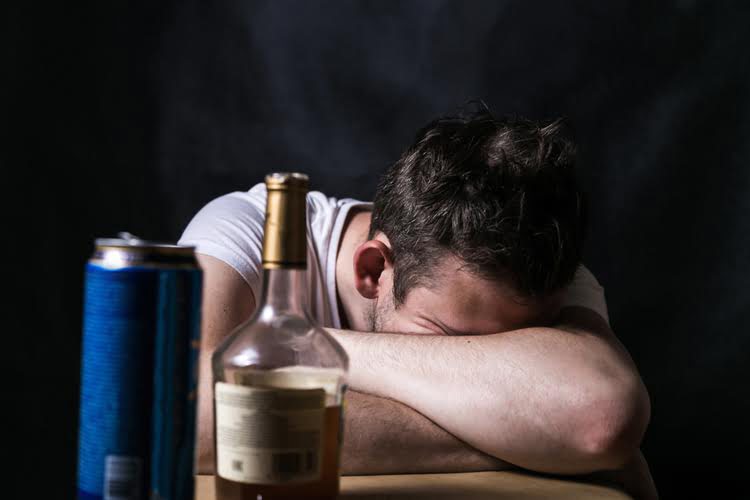
This type of drinking behavior is marked by persistent heavy drinking, which disrupts every aspect of life—from relationships to health and financial stability. Chronic severe alcoholics often face co-occurring mental health disorders, risky decision-making, and even legal issues, creating a downward spiral that can be life-threatening. Alcohol use disorder (AUD) is a medical condition characterized by an impaired ability to stop or control alcohol use despite adverse social, occupational, or health consequences. It encompasses the conditions that some people refer to as alcohol abuse, alcohol dependence, alcohol addiction, and the colloquial term, alcoholism. Lasting changes in the brain caused by alcohol misuse perpetuate AUD and make individuals vulnerable to relapse. The good news is that no matter how severe the problem may seem, evidence-based treatment with behavioral therapies, mutual-support groups, and/or medications can help people with AUD achieve and maintain recovery.
Can Reducing Alcohol Intake Help Manage GERD Symptoms?
The type of alcohol, its ingredients, and the production process can also impact its healthiness. For instance, drinks made from whole foods, such as grapes or berries, may retain more of their natural nutrients and antioxidants than those made from refined grains or artificial flavorings. Furthermore, some alcohols, like gin and vodka, are often lower in calories and https://artewilliams.com/what-to-do-after-a-relapse-7-steps-to-get-back-on/ sugar than others, such as cocktails or dessert wines.
TABC License and Permit Types
When they drink, their maximum number of drinks is 17, the highest of any subtype of alcoholic. The functional subtype is what you might think of when you hear “functional alcoholics.” Making up 19.5% of alcoholics, this is the group that is holding down jobs and relationships. Members of this group generally start drinking later (around 18) and develop an alcohol dependence later (around 37). This group suffers from moderate rates of depression but lower rates of most other co-occurring disorders. Many members of this group smoke cigarettes, but few have other substance use disorders.
Green tea and gin is also a popular combination, as the delicate flavor of the green tea complements the botanicals in the gin. For those who prefer a stronger tea flavor, a combination of black tea and whiskey can create a rich and complex flavor profile. These are just a few examples, and there are many other tea and alcohol combinations to explore, so don’t be afraid to experiment and find your own favorite combinations. Alcohol does not directly cause GERD in everyone but often triggers or worsens symptoms in susceptible individuals. It promotes acid reflux by affecting digestive muscles and acid levels, making existing GERD conditions more severe rather than causing the disease on its own. Implementing these strategies helps many people enjoy social drinking without triggering severe reflux episodes.
Their heavy drinking habits often stem from unaddressed emotional pain or mental health concerns, necessitating intervention tailored to their specific needs. With the proper support, young antisocial alcoholics have immense potential for positive transformation and addiction recovery. Despite their external stability, their reliance on alcohol creates underlying strain, both physically and mentally. Over time, their drinking intensifies, affecting mental health and potentially leading to more serious issues like alcohol use disorder. Acknowledging the problem is the first step, followed by seeking structured help to break the different types of alcoholics cycle of addiction. For any form of alcoholism, understanding the emotional triggers driving alcohol use is key to achieving lasting recovery.
What Interventions Can Reduce Harmful Drinking?
- In the United States, functional alcoholics comprise about one-fifth of the alcoholic population.
- When seeking treatment, they tend to turn to social workers, psychologists, psychiatrists and private physicians.
- People with AUD often struggle with stopping drinking even when they want to.
A heavy drinker is an individual whose pattern of alcohol consumption greatly increases the potential of physical and mental complications. This is typically defined by the quantity and Alcoholics Anonymous frequency of their drinking. Examples of self-medication drinking include using alcohol to combat insomnia, drinking to help cope with feelings of anxiety or depression, or to alleviate physical symptoms such as headaches or chronic pain.
Since the causes of alcoholism vary from person to person, the best treatment for one might not work for the next. While treatment for all alcoholics remains generally similar, some may respond better to different addiction support types than others. Some people may transition between different alcoholic types based on changing life circumstances, but this probability depends on various factors, including their response to treatment. Of the five alcoholic subtypes, intermediate familial individuals have the highest employment rates and an average family income of $50,000 yearly. Young adults tend to drink less often than older alcoholics, but they binge drink more. The young adult subtype also often abuses other substances besides alcohol and rarely seeks treatment.
What do most people with alcohol use disorder have in common?

Many individuals turn to drinking as a way to numb emotional pain, manage unresolved trauma, or cope with mental health challenges such as anxiety, depression, or PTSD. Without addressing these root causes, sustainable recovery can feel out of reach. For holders of a Brewer’s License (BW), Distiller’s and Rectifier’s Permit (D), Winery Permit (G), Nonresident Brewer’s License (BN), or Non-Resident Seller’s Permit (S). It authorizes a holder who is transporting alcoholic beverages into and around the state to temporarily hold the beverages in a regional forwarding center. The center must be located in an area that allows the sale of the type of alcoholic beverages (aka “wet”) temporarily held in the forwarding center. Authorizes the sale of wine and malt beverages for on- and off- premise consumption.
It’s worth noting that prices can vary depending on the location, with cities like Prague and Budapest tend to be more expensive than smaller towns and rural areas. However, overall, these countries offer some of the best value for money when it comes to buying alcohol in Europe. Another tip is to experiment with different ratios of tea to alcohol to find the perfect balance.
Why Categorization of Alcoholism Matters
While the alcohol itself does not expire, the flavor, aroma, and quality can degrade over time due to oxidation, evaporation, and contamination. If the bottle is exposed to light, heat, or air, the contents can become spoiled, leading to an unpleasant taste, smell, or even the growth of mold and bacteria. It is crucial to store unrefrigerated alcohol in a cool, dark place, away from direct sunlight and heat sources, to minimize the risk of spoilage. Beer is one of the most sensitive types of alcohol to temperature, humidity, and light. When stored at room temperature, beer can last for several months, but the quality may degrade quickly. It is recommended to store beer in a cool, dark place with minimal temperature fluctuations to preserve its quality.
- This license allows for the sale and service of beer, wine, and distilled spirits to passengers of a licensed airline.
- If the holder has a WP at two or more water park locations, the holder may transport alcoholic beverages between the premises of all water parks for which the holder has a WP.
- Below, we explore what “alcoholic” really means, the stigma around the term, and the different types of alcohol misuse.
- Additionally, alcohol can negatively interact with any medications the person may be taking and create new health problems.
About a tenth of American alcoholics are chronically severe alcoholics. These alcoholics are usually middle-aged people who started drinking and struggling with alcohol at a young age. Chronic severe alcoholics typically have difficulty functioning normally from day to day. Their condition may have progressed from young antisocial alcoholism, and they may likely experience legal problems, substance abuse problems, and psychiatric disorders like anxiety, bipolar disorder, and depression.