
Alcohol Tolerance How to Address and Decrease It Safely Delphi
This very serious condition happens when there’s too much alcohol in your blood, potentially resulting in vomiting, seizures, passing out, and, in the worst case, death. Increasing your alcohol tolerance is not a good thing because it means you have to drink more to get the same buzz you used to get with less alcohol. Alcohol intolerance, characterized by adverse reactions such as skin flushing or a stuffy nose, may also be genetic. This intolerance is more commonly observed in individuals of Asian descent and is linked to issues with alcohol metabolism. In contrast, low magnesium levels may lead to insulin resistance and decreased glucose tolerance in people with diabetes.
How Tolerance Can Lead to Dependence
People are asking themselves questions like, “Will this drink actually add to my experience? ” This mindful approach empowers you to make decisions that align with your health goals and personal values, rather than drinking out of habit or social pressure. This means you could be well over the legal driving limit and feel sober enough to get behind the wheel. Your reaction time, how to lower alcohol tolerance coordination, and vision are still impaired, even if you don’t feel dizzy or clumsy. Ever notice how the first drink of the night seems to have the biggest impact?
Making Your New Habits Stick
Studies have shown that AA is significantly more effective than other interventions or no intervention in achieving abstinence. In addition, AA participation has been found to lower healthcare costs. While often grouped together, a sauna and a steam room offer different environments and benefits. When deciding between a sauna or a steam room, it’s important to understand how each one affects your body and the overall wellness experience.
Functional Tolerance
By taking a break from alcohol, individuals can reset their tolerance and reduce https://ecosoberhouse.com/ their risk of serious health harm. This can involve staying below low-risk drinking guidelines, such as not regularly drinking more than 14 units of alcohol per week and taking several drink-free days. Alcohol tolerance refers to the body’s suppression of its normal responses to toxins. As a person’s alcohol tolerance increases, they require a higher blood alcohol concentration (BAC) to experience the same effects.
- The three concepts are closely related but vary in a few key ways.
- Under normal conditions, the body maintains stability; however, regular excessive drinking disturbs this balance.
- A high tolerance is a signal that your body is under stress, but it’s not a final verdict.
Need help now? Contact our free 24/7 addiction treatment helpline
Sit or lie down in a comfortable, cool area for at least 10 minutes. Some experienced sauna users enjoy a cold plunge or a cool shower, which can invigorate the body and boost circulation, but beginners should start with milder cooling methods. To properly use a sauna, whether it’s an indoor or an outdoor sauna, follow a simple sequence to ensure a safe, relaxing, and beneficial session. This process involves preparing your body, managing your time in the heat, and caring for yourself afterward. Each step of your sauna session contributes to its overall effectiveness and your enjoyment, making it a truly restorative practice.
Types of Drugs
Overcoming alcohol dependence might feel like an overwhelming and challenging marijuana addiction journey that requires commitment, support, and professional help. Your liver handles alcohol, but if you drink too much too quickly, it’ll get overwhelmed. This can lead to different liver issues like fatty liver, inflammation (hepatitis), scarring (fibrosis), and, in worst cases, cirrhosis. It can be reduced and managed through moderation or periods of abstinence.

Getting Drunk Without Drinking
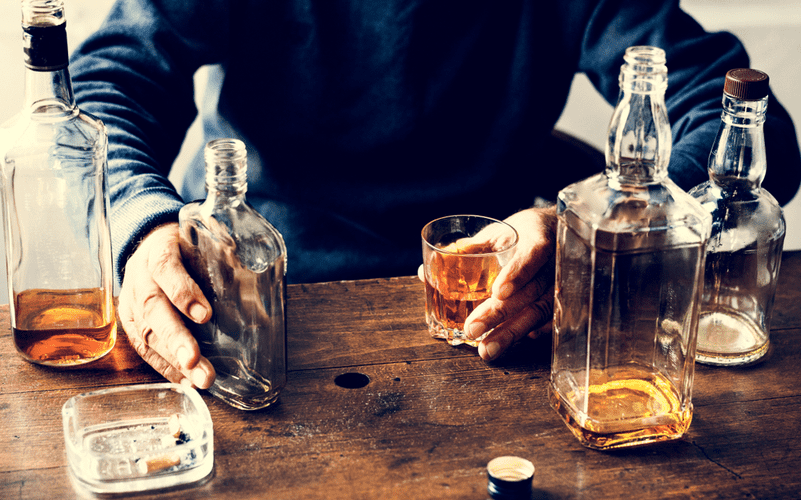
People with higher alcohol tolerance require larger amounts of alcohol to feel intoxicated compared to those with lower tolerance. There are well-established differences between men and women when it comes to alcohol abuse. Women are generally more sensitive to alcohol and are more likely to develop alcohol-related issues at lower levels of consumption. A reason for this is that women tend to have a higher proportion of body fat than men and absorb alcohol more slowly.
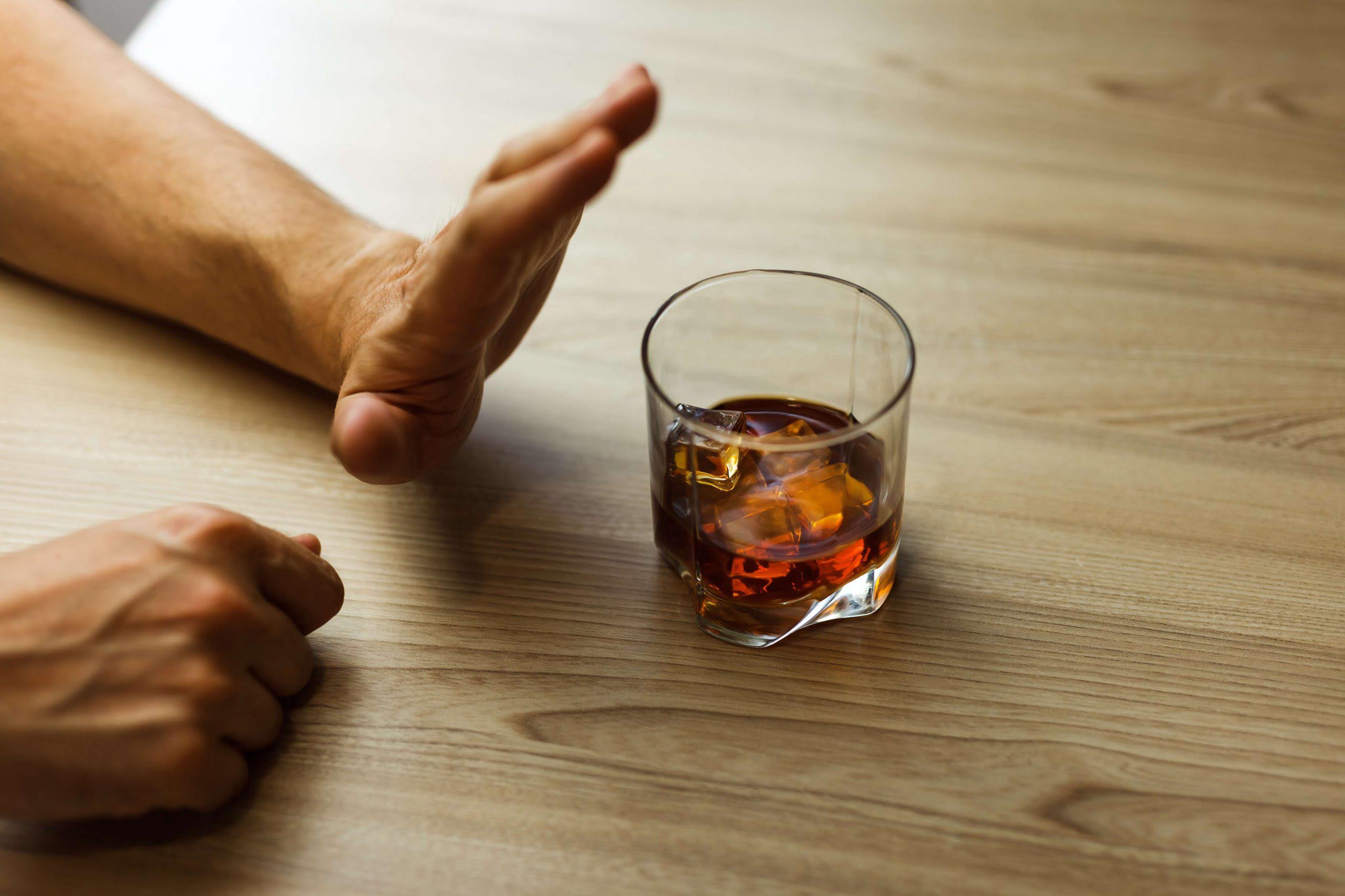
Symptoms include confusion, vomiting, seizures, slow or irregular breathing, pale or blue skin, and unresponsiveness. If you suspect someone has alcohol poisoning, seek immediate medical attention. The length of time alcohol stays in your system depends on the amount consumed, your metabolism, and other individual factors. Generally, your body can metabolize about one standard drink per hour. Therefore, if you consume several Twisted Teas, it can take several hours for the alcohol to completely leave your system. The first thing you may need to do if you find you have a problem with alcohol tolerance is to evaluate your situation and set clear goals.